

Pool Dehumidification
power plant
-
High Efficiency
-
Modular Carcass Structure
-
Temperature Control
-
Advanced Control
-
High Liquid Protection
-
Technical Service Opportunity
-
Advanced Technology
-
Automation
-
Electrostatic powder oven paint

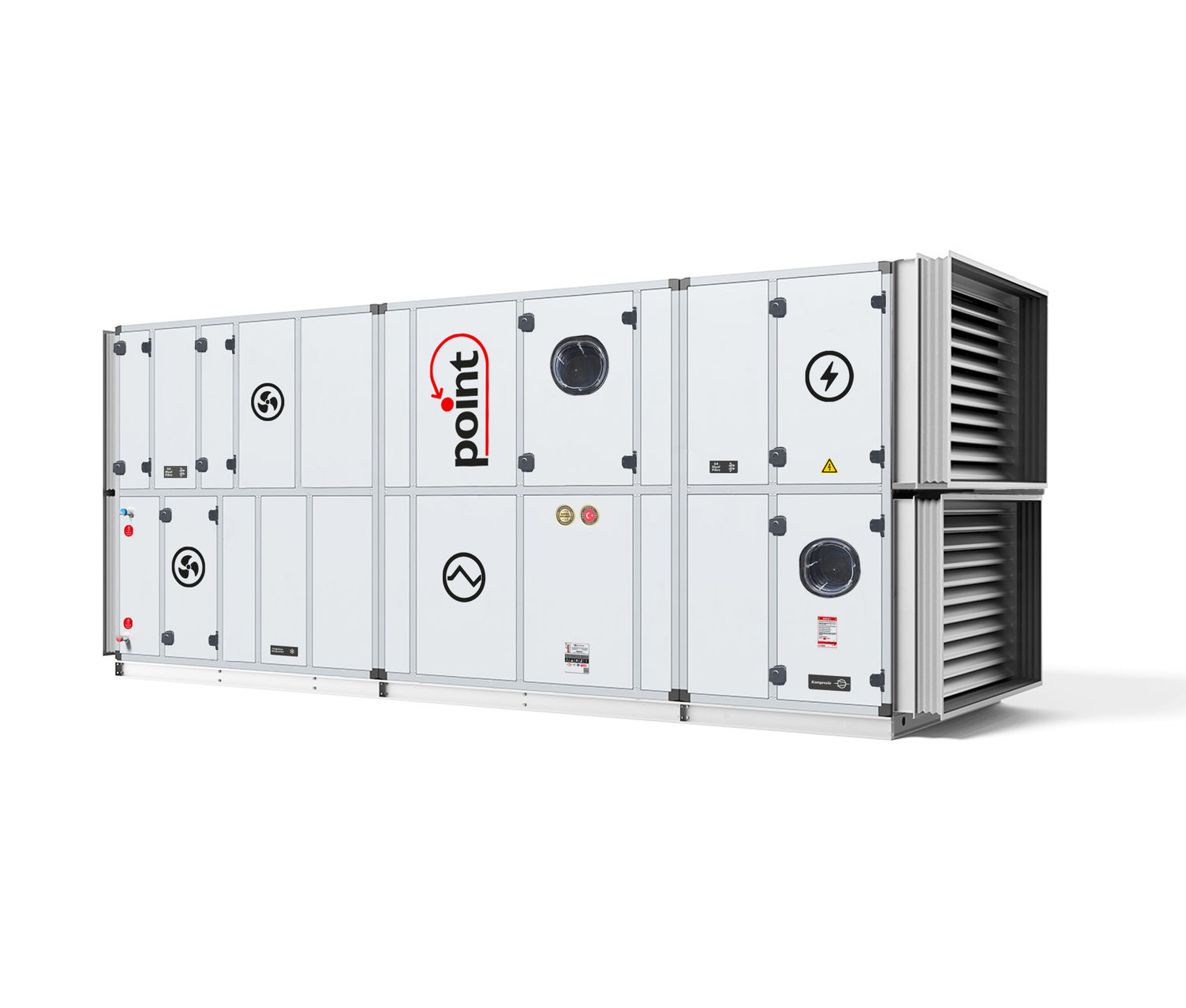
A large amount of water constantly evaporates from the pool surface and the moist tiles around it. Several thousand liters of water can evaporate from a swimming pool in just one day. The devices in many indoor swimming pools that do not have an adequate dehumidification system; plumbing, walls and concrete body; It is severely damaged and destroyed due to mold, rot and corrosion. In addition to the damage caused by moisture itself, evaporated chlorine also causes serious corrosion and has a corrosive effect on building materials.
Dehumidification is closely related to people's comfort as well as protecting the building. Excessive humidity will cause visitors and staff to experience discomfort in the swimming pool. To create the right solution
"POINT" has prepared this selection guide to remove moisture in swimming pools. The aim of the guide is to support engineers and pool installers in choosing the right pool dehumidifier for small-sized pools, hotel swimming pools, public swimming pools and Olympic swimming pools.
Designing a pool dehumidifier involves a complex process as there are many different interrelated factors. Changes to certain parameters can often affect other areas. The dehumidification system requires careful analysis and, above all, a coordinated work between the architect and the designer engineer. Since a successful dehumidification system will be a general solution for the entire facility, dehumidification and temperature regulation are also directly related to the ventilation system. The success of the system is based on POINT's experience and comprehensive expertise gained in many pool dehumidification plant projects. Therefore, we are pleased to say that when you follow the instructions in the guide, you will make a safe choice.
Technical Specifications
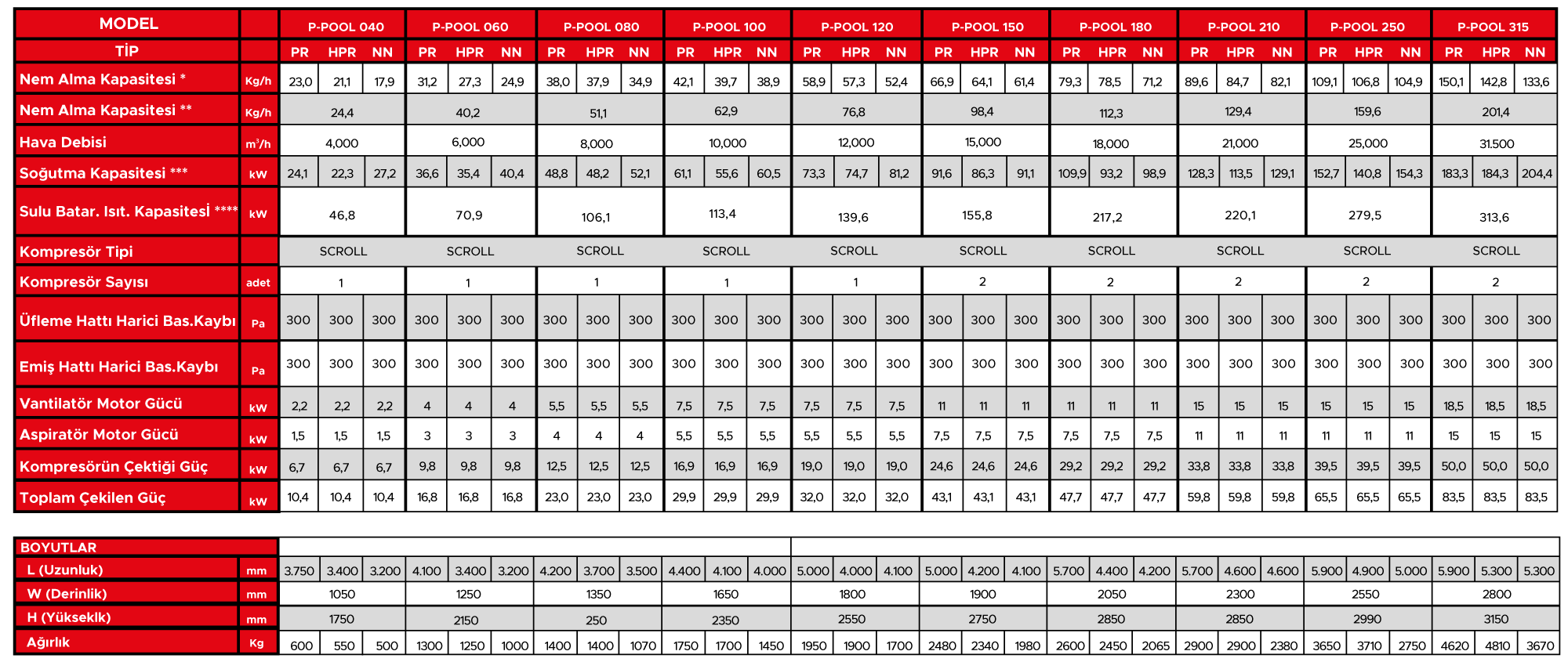
* According to VDI 2089 ** Indoor condition 30 °C K.T. and 55% is for RH. *** Outdoor condition -12 °C K.T. and 90% rh is for 90-70 °C water regime. (PR) - With Plate Heat Recovery (HPR) - With Heat Pipe Heat Recovery (NN) - Without Heat Recovery
Components
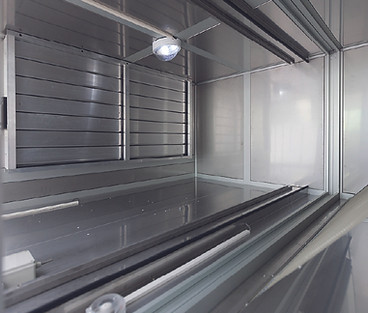
Panel-Profile-Carcass
The body of the pool dehumidification unit is produced from high quality aluminum profiles that have high strength and resistance against adverse weather conditions. The structure of the power plant provides superior design and mechanical properties with panel options suitable for all climatic conditions. Panel sheets are electrostatic powder painted. Standard rock wool insulation provides energy savings with its low heat conduction coefficient. The base base is 150 mm high as standard. The design of the base base is made suitable for moving and positioning the unit with a crane or forklift.
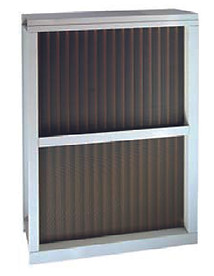
Plate Heat Exchanger
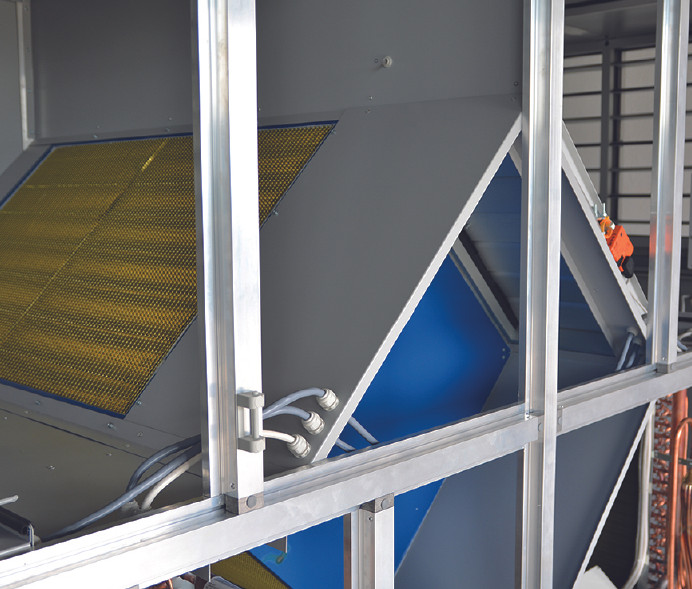
All P-POOL pool dehumidification plants have plated air-to-air heat exchangers made of aluminum and a pan to discharge condensed water. These features of the plate heat exchanger enable its service life to be extended and also to maintain the best performance levels for a long time. Optionally, a motorized damper can be added to the plate heat exchanger.
fans
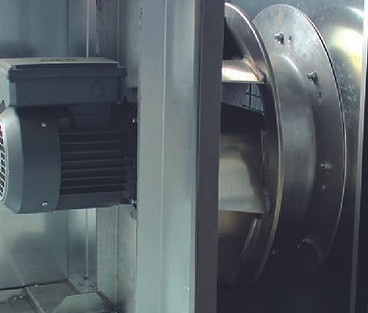
Statically and dynamically balanced fans are located directly on the driven motor shaft. The fans are mounted on a base with the motor on anti-vibration mounts. High-performance fans developed using the latest technologies significantly reduce weight and offer superior mechanical properties. It extends operating life, provides lower power consumption and provides a significant reduction in sound level. Depending on the areas of use, fan motor options with forward or backward curved blades, belt pulleys, direct coupling (plug), ex-proof or EC are available. Optionally adjustable belt-pulley versions are available.
serpentine
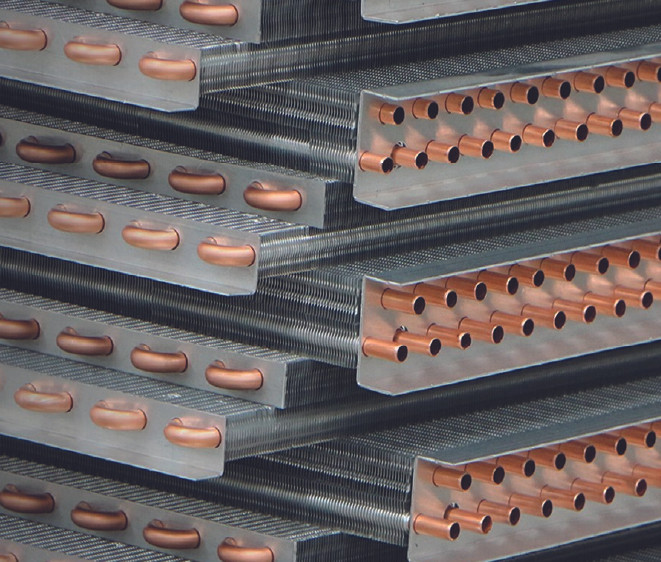
It is done by welding rods instead of wings in order to increase the surface area on pipes bent in serpentine shape. It is relevant for small cooling loads. High values; It belongs to forced convection and an evaporator made of good conductive materials in the form of copper tubes and aluminum rods. Small values; The opposite is true for convection and steel-steel evaporators.
compressor
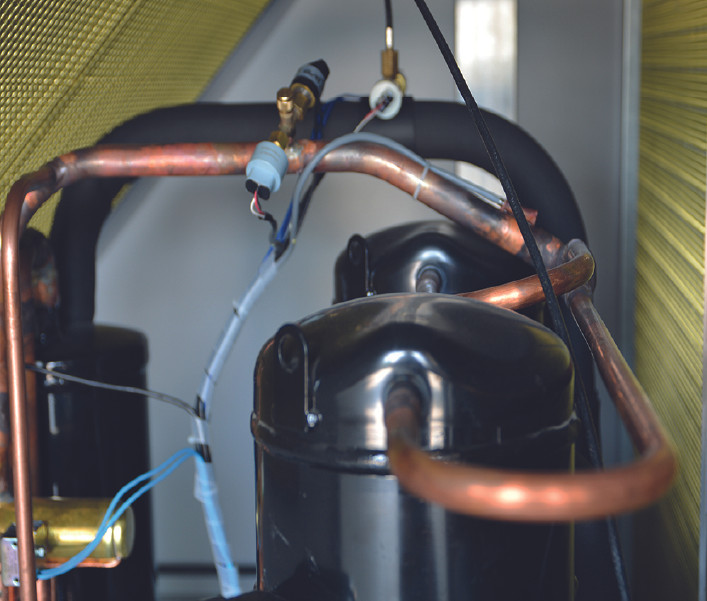
The coolant circuit is made with 1 or 2 units, depending on the capacity of the power plant. The coolant used is environmentally friendly. The compressor in the power plant has a long service life and at the same time high performance levels. By ensuring High Reliability and Optimum system efficiency, the compressor operating cycle is kept to a minimum and longer operating lives are provided.
Filters
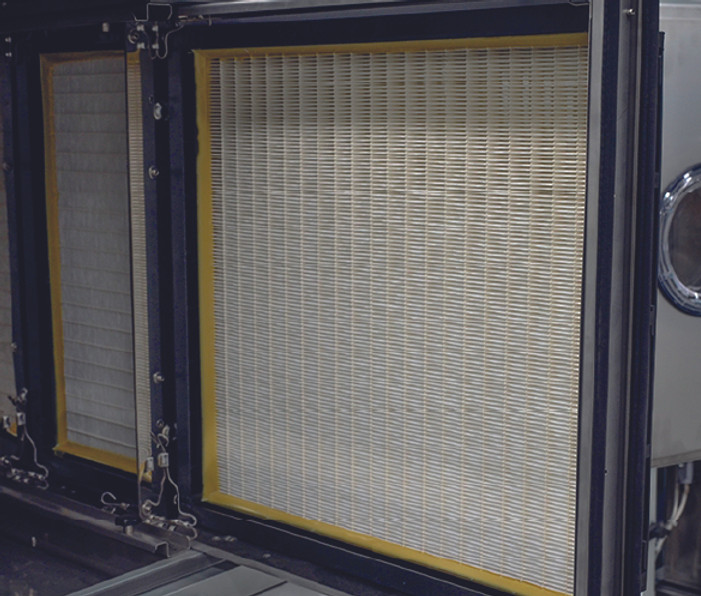
Filters are installed at the unit inlet to ensure normal operation of the power plant and prevent contamination of components. Filters for the air sucked from outside and inside are in G4 standards and are mounted in an easy-to-install and detachable manner. There is a service door in the filter cells. The frame is made of galvanized steel sheets. Optionally, filters can be produced in G4 and F7 classes.
Muffler
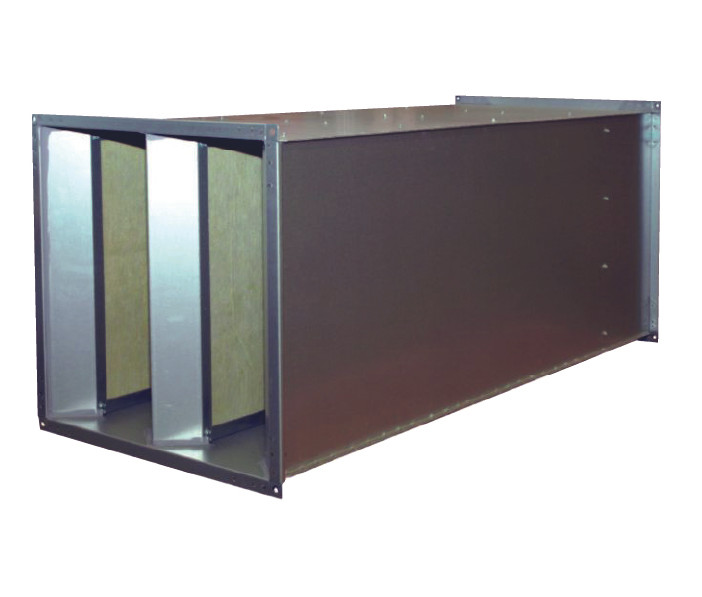
Silencers designed according to sound attenuation levels are placed in the module. Silencers consisting of rock wool filling material covered with black glass fiber are installed in a galvanized frame. Sound dampening is provided at appropriate lengths and frequencies on the return air, exhaust air and supply air sides. The air inlet side is specially designed to provide laminar flow distribution.
Heat Pipe
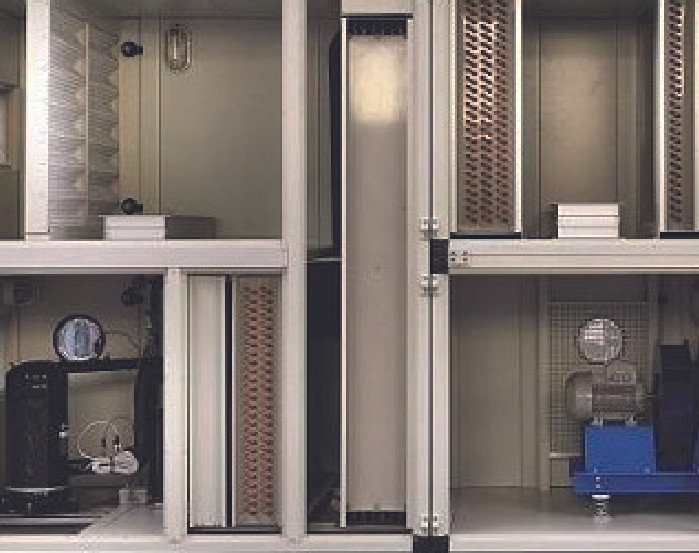
It allows heat transfer between the air that needs to be conditioned (supply air) and the air that needs to be evacuated from the environment (exhaust air). This system provides great benefits when it is necessary to provide a low temperature when the moisture in the air needs to be removed and then reheat the air to avoid blowing too cold. The Heat Pipe provides convenience and significant energy gain in this application. It increases the indoor air quality. It is easily installed in the pool dehumidification plant, like any battery. The heat pipe uses R134A as the refrigerant. is used.
Differential Pressure Sensor
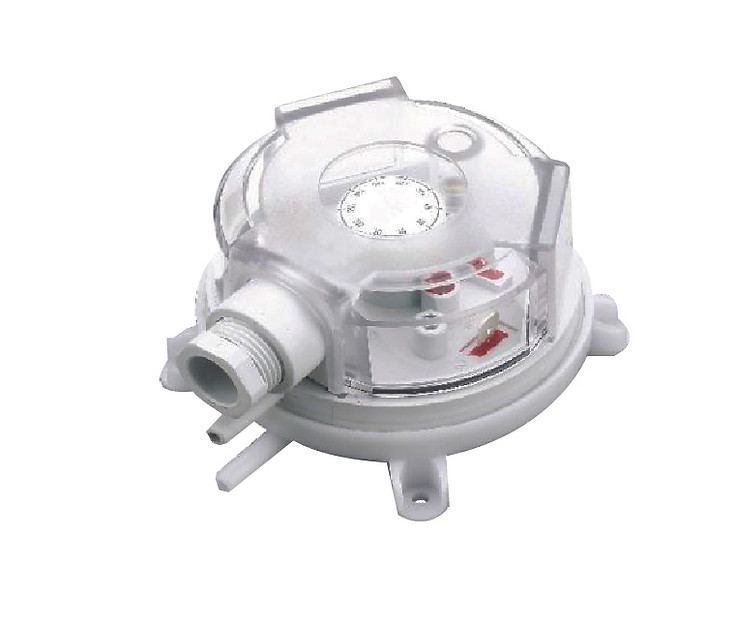
This device senses the pressure between two points and produces an output based on a calibrated pressure range. They are used to measure the smallest pressure differences in the ventilation ducts connected to the dehumidification unit, control air flow, monitor filter occupancy rates and control fans.
damper
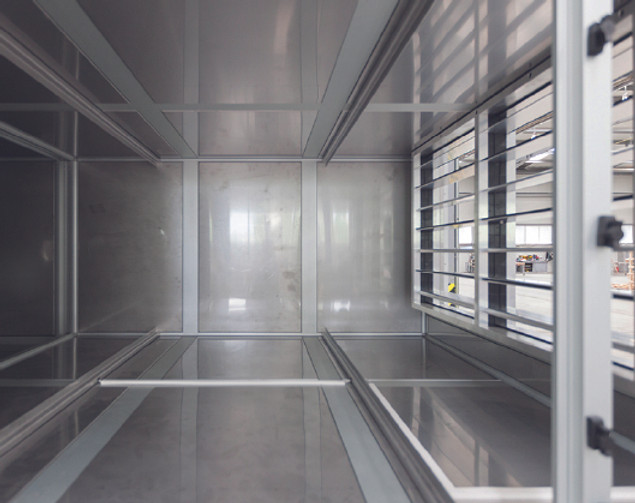
Air dampers; They are used for air quantity adjustment and pressure control in blowing and suction ducts connected to dehumidification plants. Damper cases are designed to create minimum pressure loss when in the open position. When the wings are in the closed position, they overlap each other and create a leak-proof structure, preventing air passage. It has a high quality aluminum extrusion body and impact-resistant hard gears.
Accessories
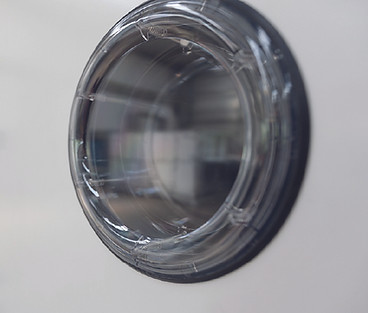
In our pool dehumidification plants, we use materials that are resistant to negative external factors such as mold and oxidation that occur in humid environments. Depending on the materials used, device and component lifetimes are under Point warranty. Optionally, different types of equipment can be used depending on the area of use. Emphasis is placed on the use of ergonomic accessories in Point dehumidification units.
Automation
P-POOL pool dehumidification unit is offered as a package type with automation system. In this way, the device can be commissioned directly by making the power connection and presettings. All automation equipment is positioned inside the device and protected from external factors. It enables automatic detection and activation of different operating scenarios. It can work integrated with building automation systems. Control of pollution status of the filters according to the set pressure value and all alarms can be monitored on the LCD screen. It provides proportional control of fresh air, return air and mixture dampers.
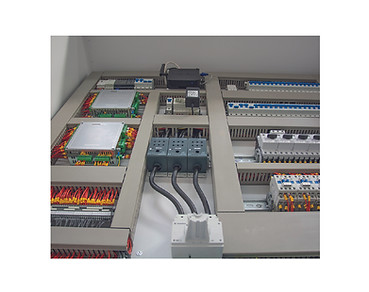
PLATE TYPE WITH HEAT RECOVERY
DRYING PLANT
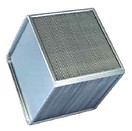
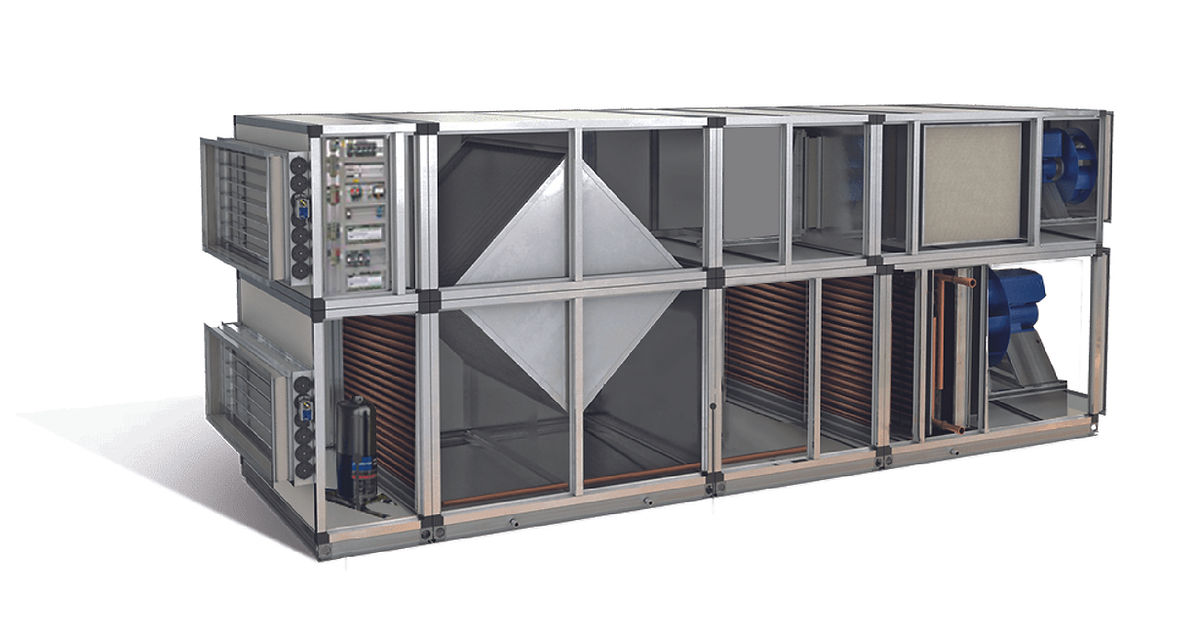
Plate type heat recovery P-POOL-PR pool dehumidification unit; It is a highly effective outdoor air dehumidification system with a high-efficiency cross-flow heat exchanger. This system offers significant reductions in operating costs thanks to real energy savings of up to 80%, while perfectly controlling humidity and indoor temperature. With the integrated air mixing feature, only the required amount of clean air is included in the system, keeping operating costs to a minimum. Thanks to the integrated by-pass passage in the power plant, the 100% fresh air supplied to the system can be cooled during the summer months. For countries with high outdoor temperatures in summer, an additional cooling coil can be added to the system for greater dehumidification and air cooling capacities. In order to fully meet the requirements, different fan types, filter features and coil options are evaluated at the design stage.
HEAT PIPE WITH HEAT RECOVERY
DRYING PLANT