

Air conditioning
power plant
-
High Efficiency
-
Modular Carcass Structure
-
Temperature Control
-
Advanced Control
-
High Liquid Protection
-
Technical Service Opportunity
-
Advanced Technology
-
Automation
-
Electrostatic powder oven paint


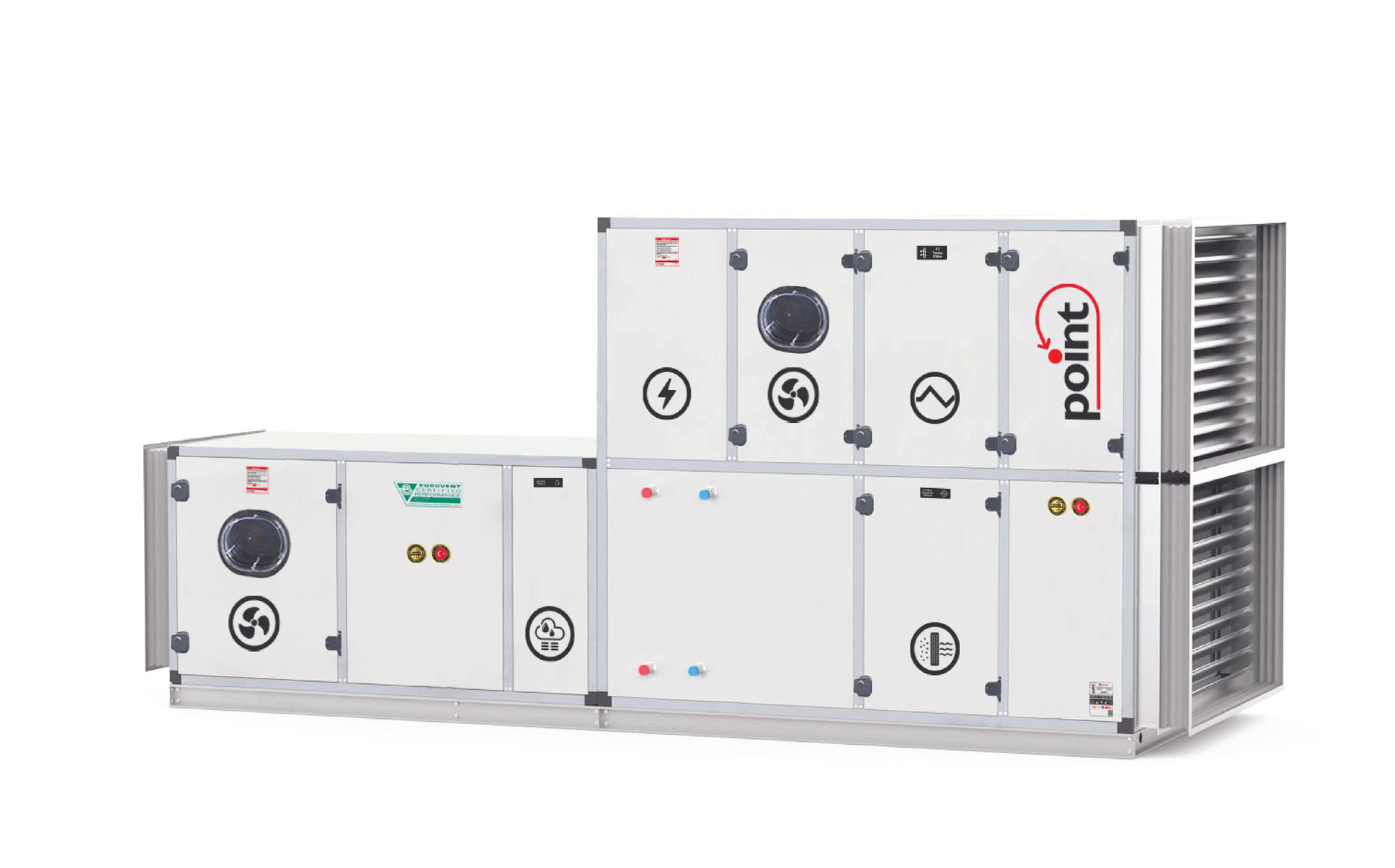
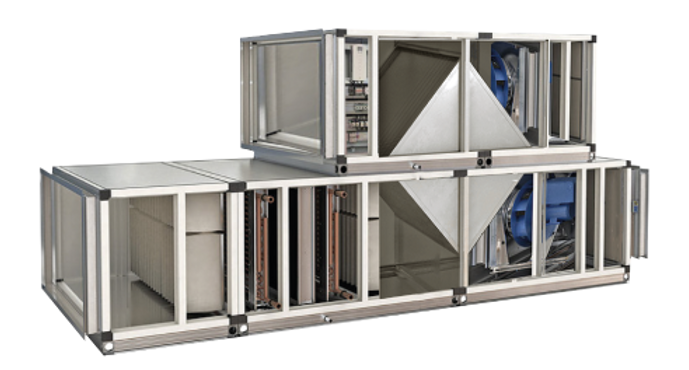
Modular high-end Point air handling units are designed using the latest technology to regulate and control temperatures, humidity and air quality in hotels, office buildings, hospitals, shopping malls or indoor spaces where a comfortable indoor climate is a priority.
With their compact design, Point air handling units provide you with an extremely reliable and easy-to-operate solution, offering significant heat recovery and high-quality climate management.
Based on modularity and a flexible approach
Point air handling unit for a specific project
Allows you to choose the exact functionality required
recognizes. Modules are combined with a system and
All functions are located in a single unit, providing ease of installation and maintenance.
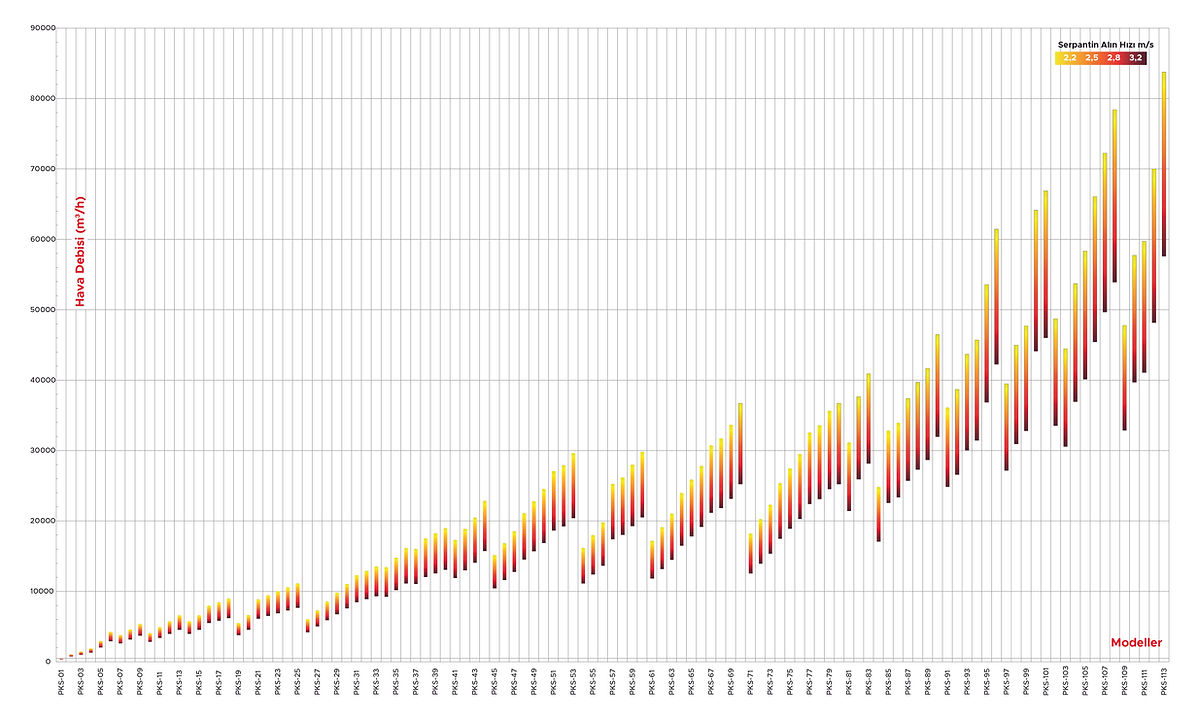
Selection Table
Components
Panel-Profile-Carcass
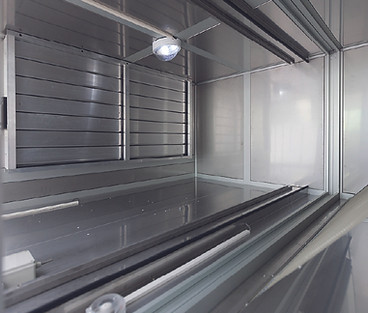
The air handling unit body is produced from high quality aluminum profiles that have high strength and resistance against adverse weather conditions. The structure of the power plant provides superior design and mechanical properties with panel options suitable for all climatic conditions. Panel sheets are electrostatic powder painted. Standard rock wool insulation provides energy savings with its low heat conduction coefficient. The base base is 150 mm high as standard. The design of the base base is made suitable for moving and positioning the unit with a crane or forklift.
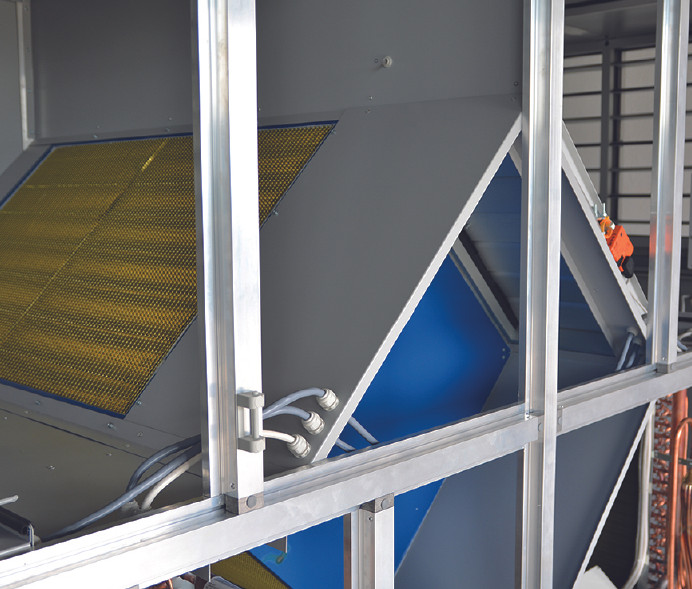
Plate Heat Exchanger
All Point air handling units have a pan for plate air-to-air heat exchangers made of aluminum. These features of the plate heat exchanger enable its service life to be extended and also to maintain the best performance levels for a long time. Optionally, a motorized damper can be added to the plate heat exchanger.
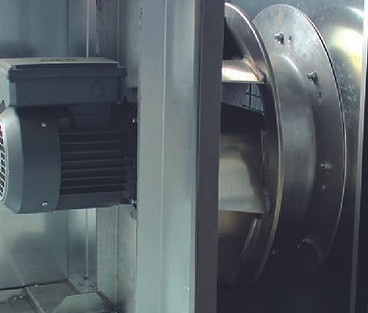
fans
Statically and dynamically balanced fans are located directly on the driven motor shaft. The fans are mounted on a base with the motor on anti-vibration mounts. High-performance fans developed using the latest technologies significantly reduce weight and offer superior mechanical properties. It extends operating life, provides lower power consumption and provides a significant reduction in sound level. Depending on the areas of use, fan motor options with forward or backward curved blades, belt pulleys, direct coupling (plug), ex-proof or EC are available. Optionally adjustable belt-pulley versions are available.
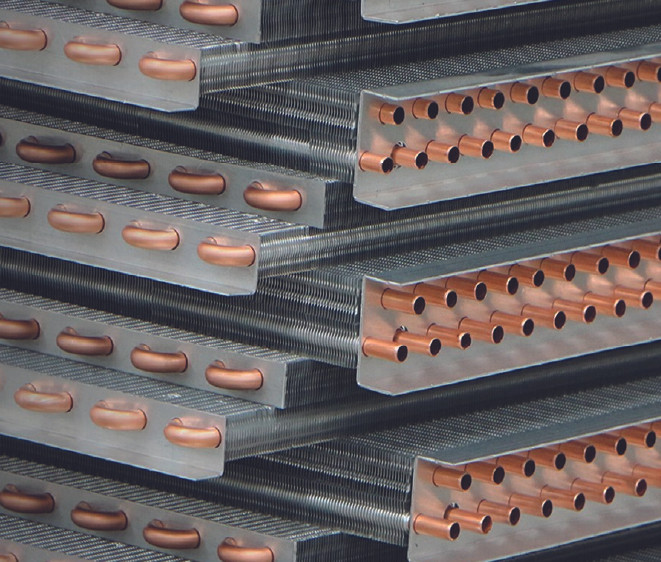
serpentine
It is made by welding rods instead of wings in order to increase the surface area, on pipes bent in serpentine shape. It is relevant for small cooling loads. High values; It belongs to forced convection and an evaporator made of good conductive materials in the form of copper tubes and aluminum rods. Small values; The opposite is true for convection and steel-steel evaporators.
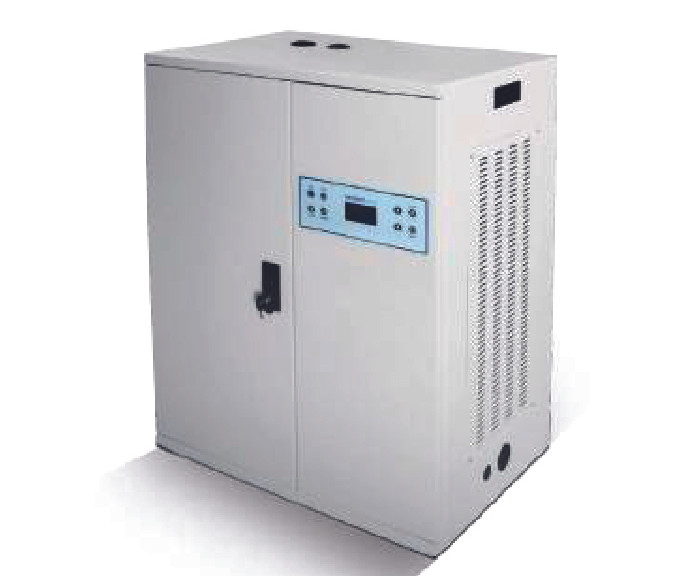
Steam Humidification Unit
It adapts to different application systems thanks to its integrated production within air handling units or externally. These are electrode steam humidification units used to humidify the air duct or air handling unit cell. For steam humidification, it is sufficient to make the inlet water connection, water drainage line connection, steam and distributor connection, electrical wiring and humidity sensor connection and operate the device.
Filters
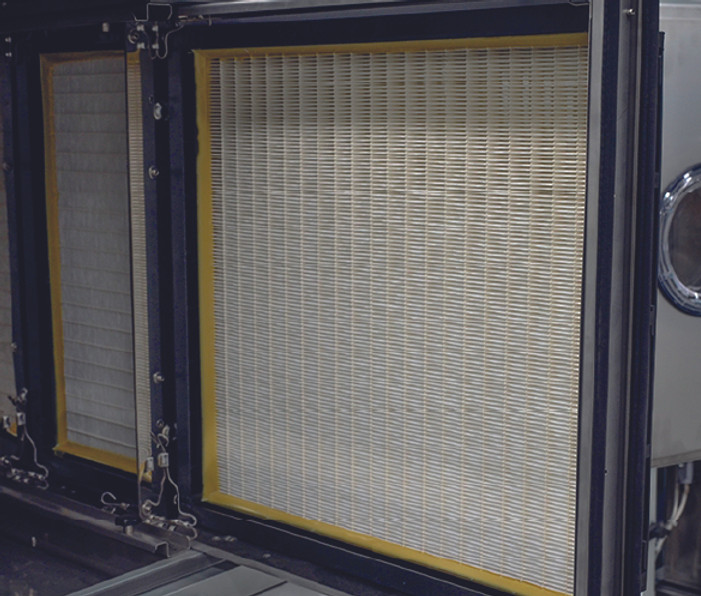
Filters are installed at the unit inlet to ensure normal operation of the power plant and prevent contamination of components. Filters for air sucked from outside and inside are in G4 standards and are mounted in an easy-to-install and detachable manner. There is a service door in the filter cells. The frame is made of galvanized steel sheets. Optionally, filters can be produced in G4 and F7 classes.
Muffler
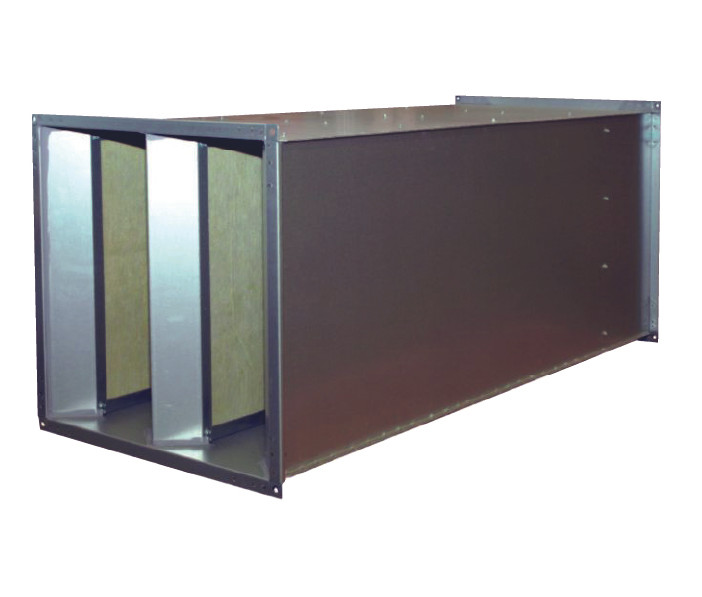
Silencers designed according to sound attenuation levels are placed in the module. Silencers consisting of rock wool filling material covered with black glass fiber are installed in a galvanized frame. Sound dampening is provided at appropriate lengths and frequencies on the return air, exhaust air and supply air sides. The air inlet side is specially designed to provide laminar flow distribution.
Drip Catcher Separator
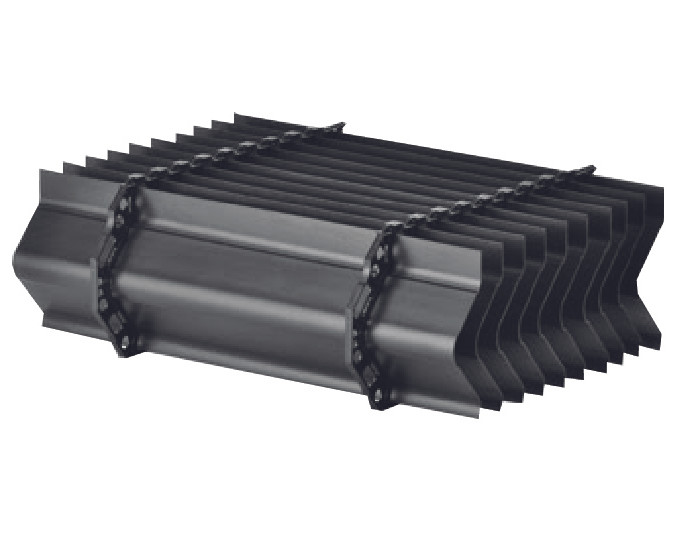
It prevents the condensed water in air handling units from being carried indoors and pours the water particles into the drain pan or the intended environment in a free flow without being carried into the air duct or device. Thanks to the special connection tabs, it can be easily assembled in any desired size. Aluminum drip catchers are more durable than plastic ones. It is mounted without any gaps, covering the entire area with air flow.
Differential Pressure Sensor
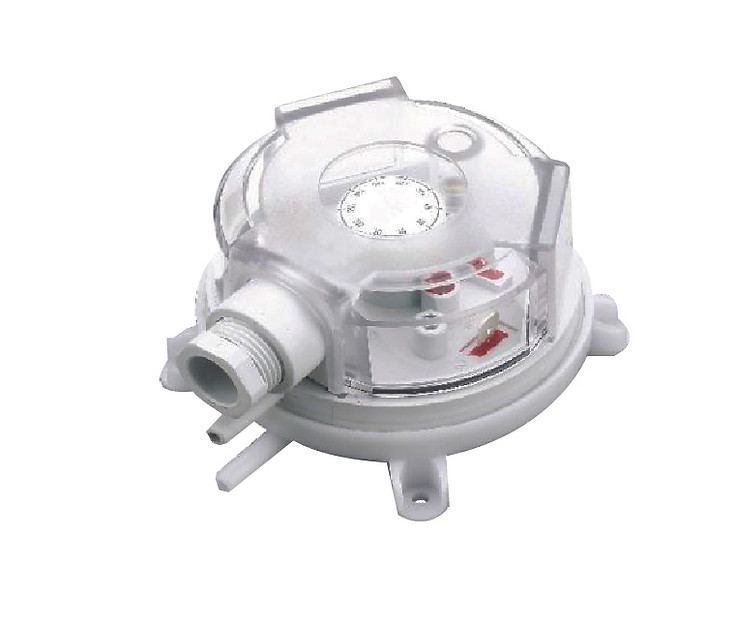
This device senses the pressure between two points and produces an output based on a calibrated pressure range. They are used to measure the smallest pressure differences in the ventilation ducts connected to the air handling unit, control air flow, monitor filter occupancy rates and control fans.
damper
Air dampers; They are used for air quantity adjustment and pressure control in the blowing and suction ducts connected to air handling units. Damper cases are designed to create minimum pressure loss when in the open position. When the wings are in the closed position, they overlap each other and create a leak-proof structure, preventing air passage. It has a high quality aluminum extrusion body and impact-resistant hard gears.
Accessories
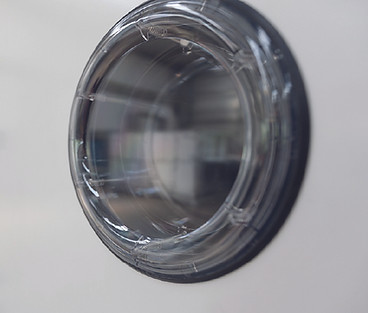
We use materials in our air handling units that are resistant to negative external factors such as mold and oxidation that occur in humid environments. Depending on the materials used, device and component lifetimes are under Point warranty. Optionally, different types of equipment can be used depending on the area of use. In Point air handling units, importance is given to the use of ergonomic accessories.
Automation
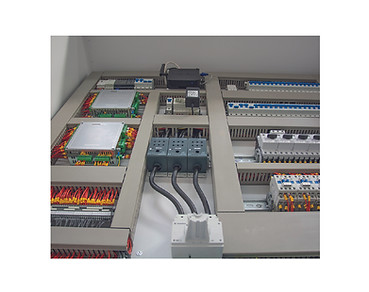
The Air Handling Unit is offered as a package type with automation system. In this way, the device can be commissioned directly by making the power connection and presettings. All automation equipment is positioned inside the device and protected from external factors. It enables automatic detection and activation of different operating scenarios. It can work integrated with building automation systems. Control of pollution status of the filters according to the set pressure value and all alarms can be monitored on the LCD screen. It provides proportional control of fresh air, return air and mixture dampers.
Heat Recovery Systems
In air conditioning systems, in order for the indoor air to reach the desired production or comfort conditions, it must be replaced because it loses its properties due to the thermodynamic processes it has undergone, that is, it must be replaced by fresh air and brought back to the room conditions. This situation puts an additional load on the system and the indoor air is discharged as waste heat. However, it is possible to recover between 25% and 90% of waste heat by using heat recovery systems. In HVAC systems, this ratio is between 35% and 80% for optimum solution applications.
ROTOR (DRUM) TYPE HEAT RECOVERY UNITS
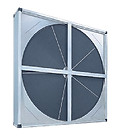
The rotor can be fixed or variable speed depending on its use. It is obtained by winding thin aluminum foil materials clockwise on a spindle. Thanks to this process, fresh air is passed through one half of the resulting circle and exhaust air is passed through the other half in opposite directions. Depending on the intended use, there are condensation type that transfers sensible heat, enthalpy type that transfers sensible+latent heat, absorption type that transfers high rates of sensible+latent heat, and rotor options. According to these system values, 85% energy recovery can be achieved.
PLATE TYPE HEAT RECOVERY UNITS
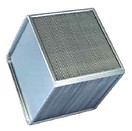
The plate type heat recovery air handling unit is a highly effective system with a highly efficient cross-flow exchanger. It consists of aluminum wings and an outer cassette, with a design in which different channels are created for exhaust air and fresh air so that they do not mix with each other. Thanks to the high heat transfer, an effective heat transfer is provided between the fresh air taken into the power plant and the exhaust air thrown out. In this way, 90% energy recovery can be achieved.
HEAT PIPE TYPE HEAT RECOVERY UNITS
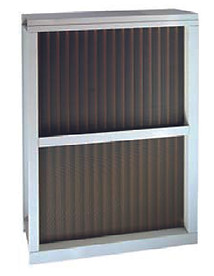
It is a highly effective heat pipe heat recovery system that perfectly controls the indoor temperature while significantly reducing operating costs. It is done by placing 2 cooling batteries charging refrigerant gas on the fresh and exhaust air side in a closed system, and transferring the heat transfer between the batteries to the air. Depending on the conditions, their efficiency can be up to 75%. This difference in values may vary depending on weather conditions. Heat recovery is one-way.
Hygienic Air Handling Units
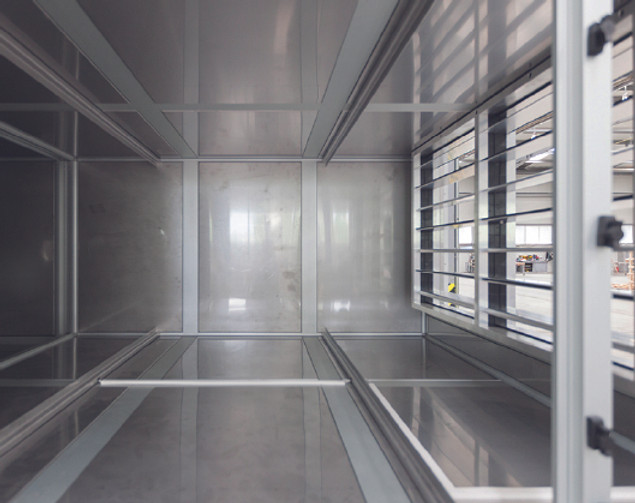
In hygienic air handling units, unlike standard air handling units, all internal surfaces, heater and cooling coil frames and slides, filter cassettes and condensation pans are also produced from stainless steel. In order to prevent the formation and reproduction of bacteria at the junction points of the modules with each other, the units are combined with special joining parts and then covered with stainless steel sheet to obtain a flat and smooth surface.
Point hygienic air handling units are used to ensure the removal of bacteria and viruses that impair sterilization in environments where hygiene needs are high, such as operating rooms and laboratories. Particularly hygienic air handling units provide long-term protection against the formation of microorganisms.